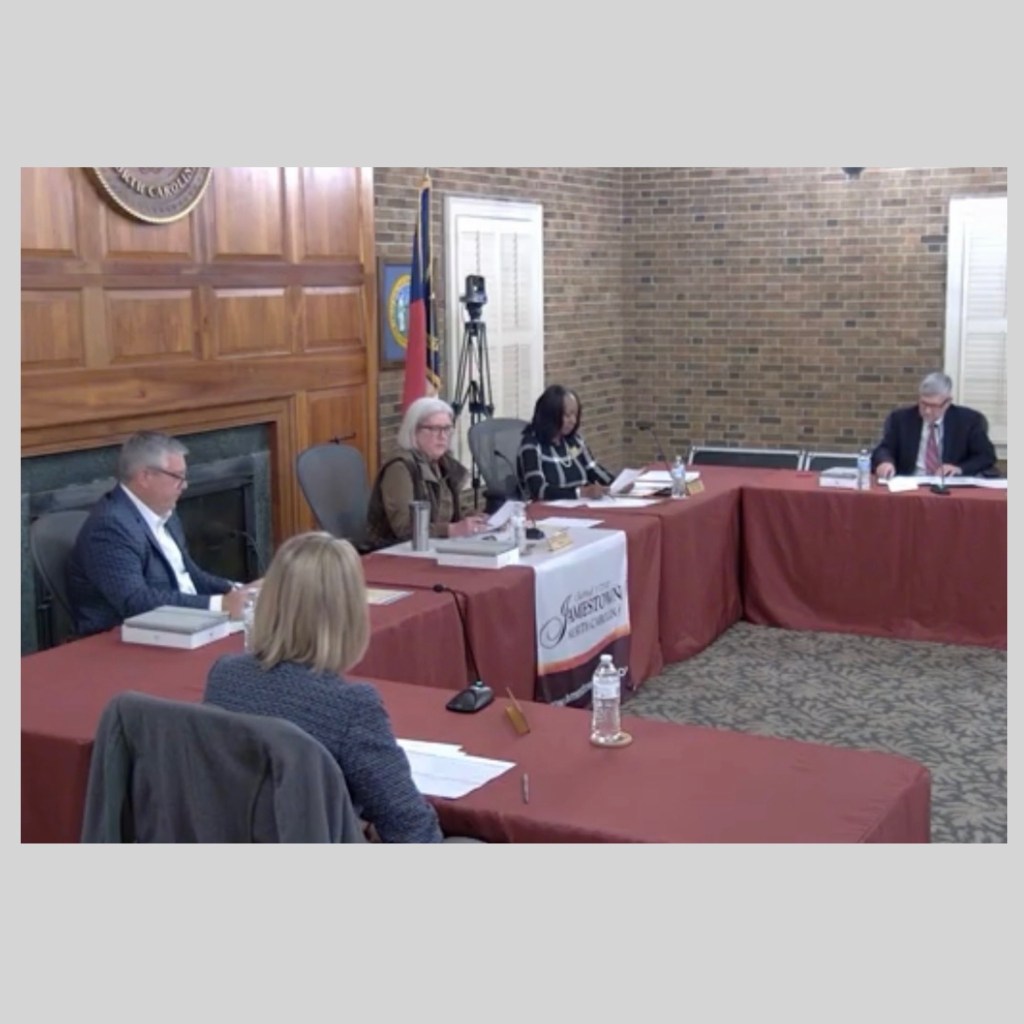


-
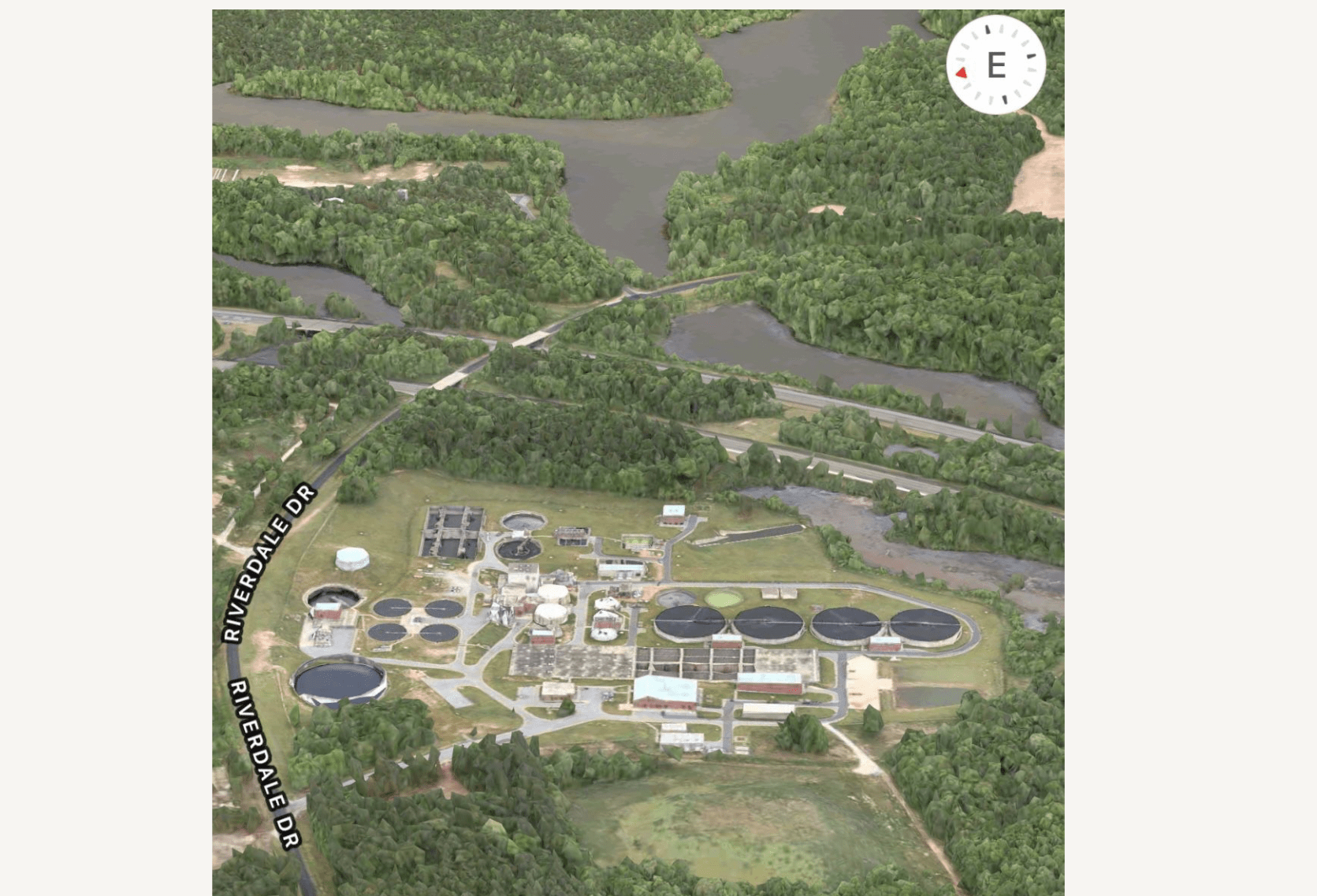
New NCDEQ study follows the PFAS pollution flow
Read more: New NCDEQ study follows the PFAS pollution flowA 2023 study by the NC Dept. of Environmental Quality sheds more light on the amount of PFAS that industrial facilities, factories and landfills are discharging into our local water supply. Released in December 2025, the results provide a snapshot of the type and total PFAS analytes that exist in the wastewater flowing INTO and…
-
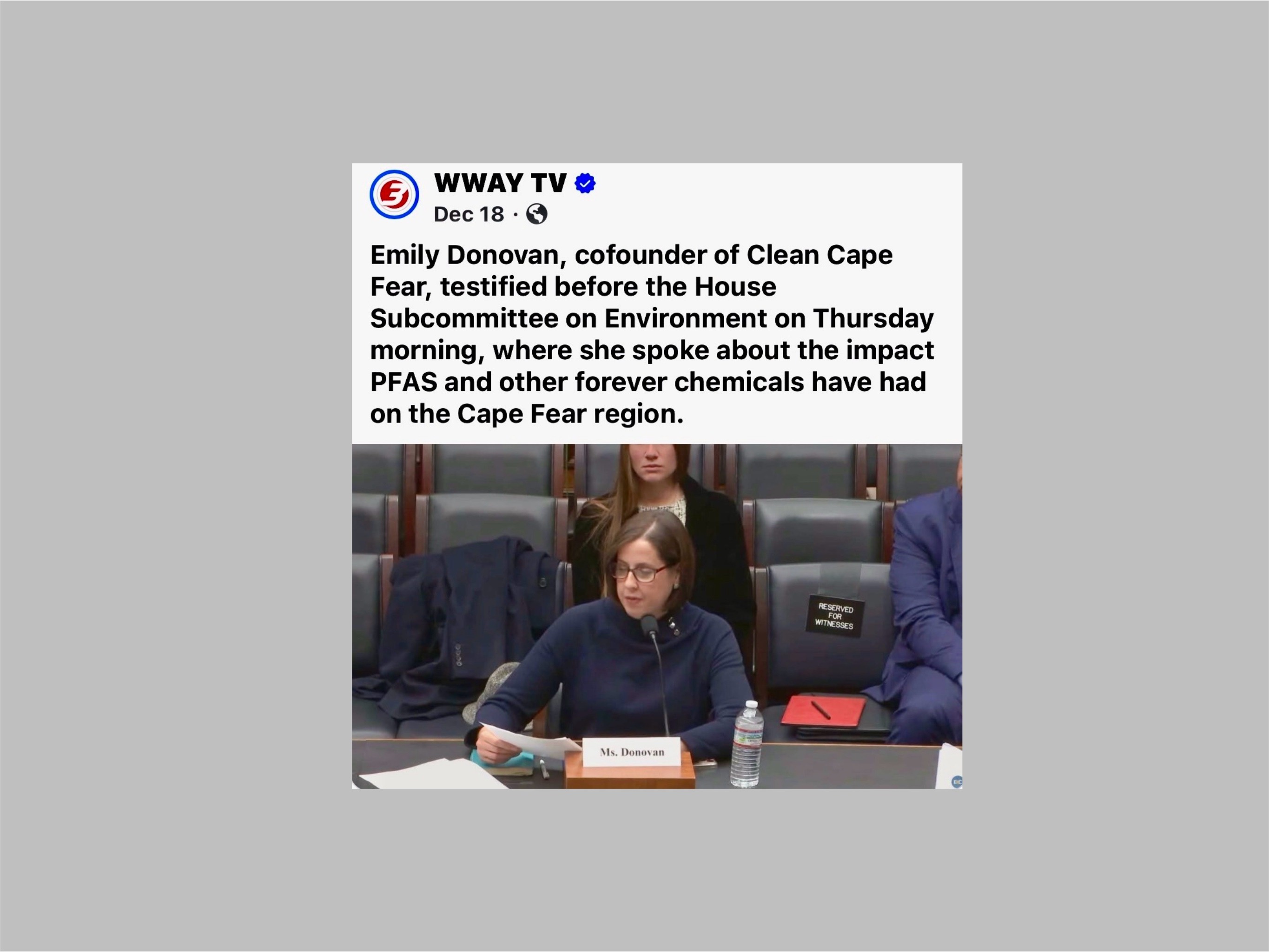
New Year, New Rules for PFAS polluters
Read more: New Year, New Rules for PFAS pollutersOn Jan. 7th & 8th, the NC Environmental Management Commission (EMC) will vote on new proposals for PFAS and 1,4 Dioxane regulation that would require “monitoring and minimization plans” for industrial polluters, but leaves out chemical discharge limits and automatic civil penalties for the polluting facilities. The meetings will be held at the Archdale Building…
-

PFAS in PTRWA water samples increased 53% from Oct. 2023 to Oct. 2025
Read more: PFAS in PTRWA water samples increased 53% from Oct. 2023 to Oct. 2025The first time I tested my Jamestown tap water for PFAS was October 6, 2023, using Tap Score’s EPA-approved test kits and labs. Two weeks ago, I retested using the same company. Our water utility is Piedmont Triad Regional Water Authority (PTRWA). Our water comes from Randleman Lake, which is fed by Deep River. It…
-

June 2025 tests show PFAS levels in a Jamestown neighborhood’s groundwater rose 24% in one year
Read more: June 2025 tests show PFAS levels in a Jamestown neighborhood’s groundwater rose 24% in one year[Note: see our complete PFAS test results spreadsheet with results from 2022 through August 2025, HERE] Tests conducted in June 2025 show PFAS groundwater concentrations in a Jamestown neighborhood rose an average of 24% over June 2024 tests. Increased concentrations were detected for TEN (10) PFAS compounds in samples taken at two residences that sit…
-

Seaboard/High Point’s 2023 Five-Year Report misses key point of 2008 Settlement Agreement
Read more: Seaboard/High Point’s 2023 Five-Year Report misses key point of 2008 Settlement AgreementThe 2023 five-year report on the Seaboard/High Point Landfill omits key elements of the 2008 remediation settlement and inaccurately suggests significant progress in cleanup efforts. Despite claims of containing contaminants, actual groundwater pollution levels remain above legal limits, and there are questions about monitoring well data collection.
-

Seaboard/HP Landfill’s 2008 Settlement & Trust Fund for CLEAN-UP
Read more: Seaboard/HP Landfill’s 2008 Settlement & Trust Fund for CLEAN-UPSeaboard Chemical Corporation was North Carolina’s largest hazardous waste processor until its bankruptcy in 1989, leading to its designation as a Superfund site in 1997. The City of High Point and multiple companies are responsible for remediation of the site, while a De Minimis Trust Fund manages settlement funds for clean-up costs.
-

High levels of 1,4-DIOXANE continue to leach into Deep River from the 163-acre High Point Landfill (in addition to PFAS)
Read more: High levels of 1,4-DIOXANE continue to leach into Deep River from the 163-acre High Point Landfill (in addition to PFAS)Recent assessments reveal that a 110-acre contaminated site owned by the City of High Point but located in Jamestown (North Carolina) continues to pollute WOTUS water supply source Deep River via groundwater and runoff, with high levels of PFAS, VOCs and 1,4-dioxane. Citizens are bearing the burden of monitoring the water, and paying for the…