

-

PFAS in PTRWA water samples increased 53% from Oct. 2023 to Oct. 2025
Read more: PFAS in PTRWA water samples increased 53% from Oct. 2023 to Oct. 2025The first time I tested my Jamestown tap water for PFAS was October 6, 2023, using Tap Score’s EPA-approved test kits and labs. Two weeks ago, I retested using the same company. Our water utility is Piedmont Triad Regional Water Authority (PTRWA). Our water comes from Randleman Lake, which is fed by Deep River. It…
-

EASTSIDE WWTP air emissions: In 2024, Lead emissions rose +451% over 2023; Nickel +380%; Particulate Matter +250%; Mercury +46%; Chromium +49%; Methane +50%
Read more: EASTSIDE WWTP air emissions: In 2024, Lead emissions rose +451% over 2023; Nickel +380%; Particulate Matter +250%; Mercury +46%; Chromium +49%; Methane +50%[NOTE: Eastside WATER and NPDES violations/consent order/compliance issues are HERE. The public records dropbox folder is HERE.] Eastside Wastewater Treatment Plant’s 2024 Air Emissions Report shows the amount of toxic and hazardous vapors released into Guilford and Randolph county’s air increased significantly over calendar year 2023. The increases averaged 45% across the board. Outliers were…
-

Seaboard/High Point’s 2023 Five-Year Report misses key point of 2008 Settlement Agreement
Read more: Seaboard/High Point’s 2023 Five-Year Report misses key point of 2008 Settlement AgreementThe 2023 five-year report on the Seaboard/High Point Landfill omits key elements of the 2008 remediation settlement and inaccurately suggests significant progress in cleanup efforts. Despite claims of containing contaminants, actual groundwater pollution levels remain above legal limits, and there are questions about monitoring well data collection.
-

Seaboard/HP Landfill’s 2008 Settlement & Trust Fund for CLEAN-UP
Read more: Seaboard/HP Landfill’s 2008 Settlement & Trust Fund for CLEAN-UPSeaboard Chemical Corporation was North Carolina’s largest hazardous waste processor until its bankruptcy in 1989, leading to its designation as a Superfund site in 1997. The City of High Point and multiple companies are responsible for remediation of the site, while a De Minimis Trust Fund manages settlement funds for clean-up costs.
-
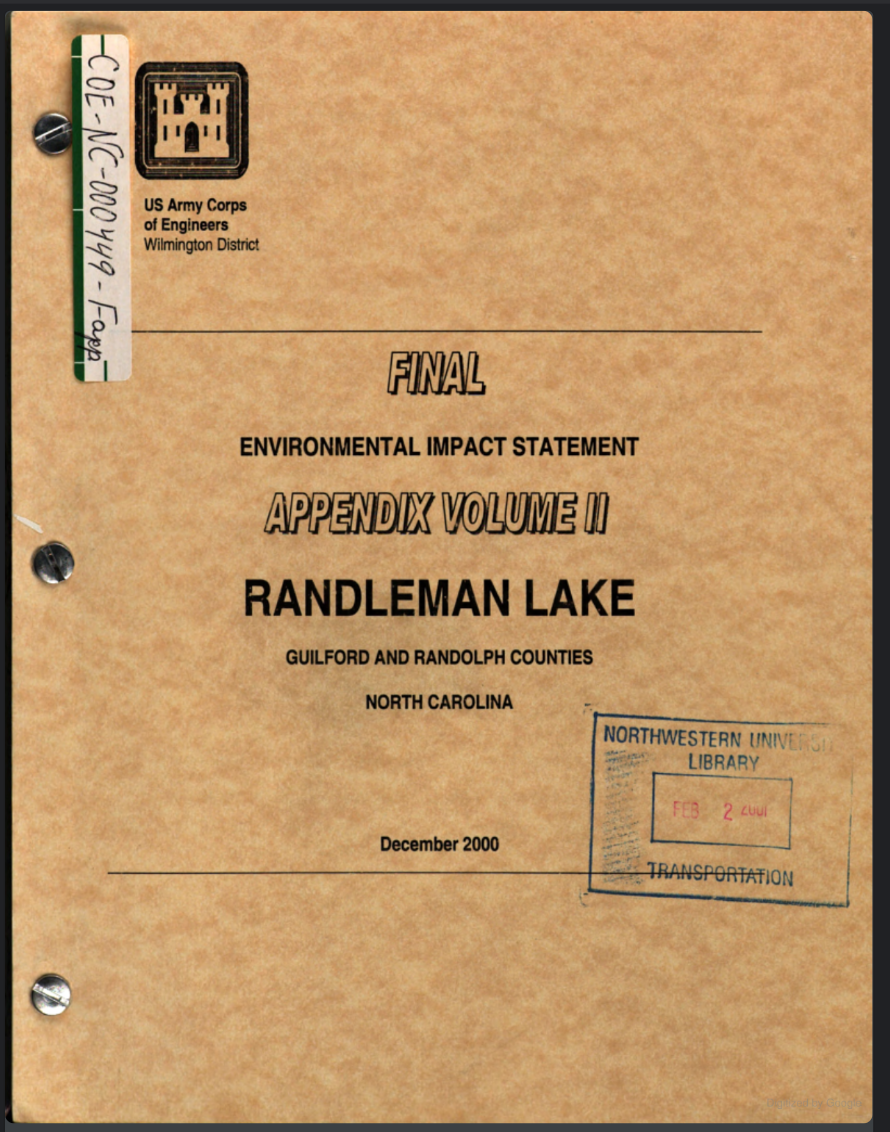
After 35 years of concerns, complaints & court orders, Seaboard is STILL contaminating our DRINKING WATER supply
Read more: After 35 years of concerns, complaints & court orders, Seaboard is STILL contaminating our DRINKING WATER supplyThe construction of Randleman Reservoir faced significant opposition in the late 90s. Concerns included contaminated sites, hazardous waste, integrity of test data and environmental impact. Despite the issues, the reservoir began serving as a key water supply for Greensboro, Jamestown, Archdale, High Point and parts of Randolph County in 2010.
-

High Point Landfill/Seaboard contamination: Voices from the past are more relevant than ever
Read more: High Point Landfill/Seaboard contamination: Voices from the past are more relevant than everIn May 2016, Taft Wireback reported on the Seaboard Chemical/High Point Landfill’s 27-year cleanup failure, emphasizing ongoing contamination issues affecting the Deep River drinking water supply. Nine years later, little progress has been made, as dangerous chemicals persist, prompting renewed calls from residents for urgent action to protect public health and the environment.
-

High levels of 1,4-DIOXANE continue to leach into Deep River from the 163-acre High Point Landfill (in addition to PFAS)
Read more: High levels of 1,4-DIOXANE continue to leach into Deep River from the 163-acre High Point Landfill (in addition to PFAS)Recent assessments reveal that a 110-acre contaminated site owned by the City of High Point but located in Jamestown (North Carolina) continues to pollute WOTUS water supply source Deep River via groundwater and runoff, with high levels of PFAS, VOCs and 1,4-dioxane. Citizens are bearing the burden of monitoring the water, and paying for the…